Walk into any supermarket and you’ll see it everywhere—“farm-fresh,” “natural,” “straight from the farm.” These words feel comforting. They create an image of green fields, small family farms, and food that’s just been picked or prepared with care. But here’s the reality: most of the time, these labels are more about marketing than meaning.
Let’s break down what “farm-fresh” really means—and what it doesn’t.
What Does “Farm-Fresh” Actually Mean?
Surprisingly, “farm-fresh” is not a strictly regulated term in many countries. Unlike labels such as “organic” or “grass-fed” (which often have certification standards), “farm-fresh” can be used quite loosely.
This means:
- A product can be labeled “farm-fresh” even if it comes from a large industrial farm
- It may have been processed, packaged, and transported over long distances
- It might have been stored for days—or even weeks—before reaching the shelf
In other words, “farm-fresh” often describes an image, not a guarantee.
The Power of Perception
Food companies understand one thing very well: people want to feel good about what they eat.
Labels like “farm-fresh” trigger:
- Trust
- Simplicity
- Healthiness
- A connection to nature
Even when the product itself is no different from others nearby.
This is why packaging often includes:
- Pictures of barns, fields, or farmers
- Earthy colors like green and brown
- Words like “wholesome,” “natural,” or “homestyle”
It’s storytelling—and it works.
Farm vs. Factory: The Real Difference
Here’s the truth: almost all food comes from a farm at some point. The real difference is how that farm operates.
Industrial farming:
- Large-scale production
- Focus on efficiency and volume
- Mechanized processes
- Long supply chains
Small/local farming:
- Smaller batches
- Often fresher due to shorter transport
- More variation in quality and appearance
- Direct relationships with consumers
Both are “farms”—but they produce very different experiences.
Fresh Doesn’t Always Mean Better
“Fresh” is another word that can be misleading.
For example:
- Vegetables labeled fresh may have been harvested before ripening and transported long distances
- Frozen produce is often picked at peak ripeness and can be more nutritious than “fresh” items on shelves
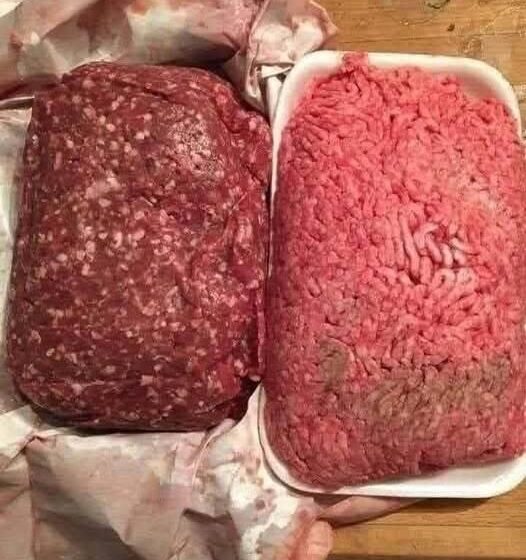
- Meat color (like bright red beef) is influenced by oxygen exposure, not necessarily freshness
So freshness is not always what it seems.
How to Shop Smarter
Instead of relying on marketing labels, here are better ways to judge quality:
- Check the source: Look for clear origin information
- Buy local when possible: Farmers markets or trusted suppliers
- Read ingredient lists: Shorter is usually better
- Use your senses: Smell, texture, and appearance matter more than labels
- Understand certifications: “Organic,” “PDO,” or similar labels often have real standards