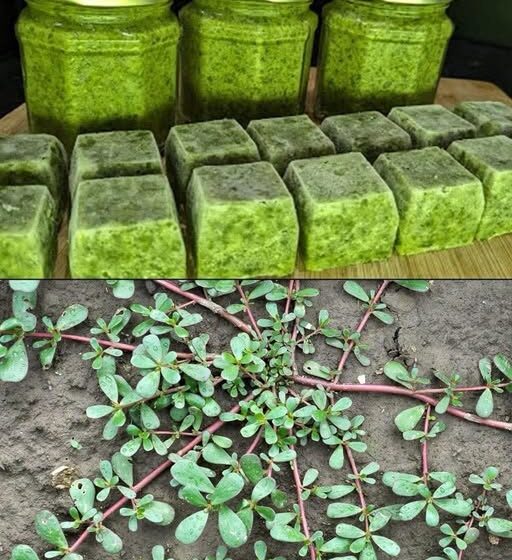
Crisp, refreshing, and loaded with nutrients — purslane is an often-overlooked leafy green that deserves a place in your kitchen. With its slightly lemony flavor, succulent leaves, and impressive nutritional profile, purslane has been enjoyed around the world for centuries and is now gaining recognition as a modern superfood.
What Is Purslane?
Purslane (Portulaca oleracea) is a leafy green plant with thick, fleshy leaves and tender stems. It grows naturally in many regions and is commonly used in salads, soups, stir-fries, and side dishes. Its mild, slightly tangy flavor makes it a versatile ingredient that can be enjoyed both raw and cooked.
Top Health Benefits of Purslane
1. One of the Best Plant Sources of Omega-3 Fatty Acids
Unlike most vegetables, purslane contains significant amounts of alpha-linolenic acid (ALA), a plant-based omega-3 fatty acid. Omega-3s are known for supporting heart health, brain function, and overall wellness.
2. Rich in Antioxidants
Purslane contains powerful antioxidants including:
• Vitamin C
• Vitamin E
• Beta-carotene
• Glutathione
These compounds help protect the body from oxidative stress caused by free radicals.
3. Supports Heart Health
The combination of omega-3 fatty acids, potassium, and magnesium may contribute to healthy cardiovascular function and help support normal blood pressure levels.
4. Promotes Healthy Vision
Purslane is rich in beta-carotene and vitamin A, nutrients that play an important role in maintaining healthy eyesight and supporting overall eye health.
5. May Help Maintain Healthy Blood Sugar Levels
Research suggests that purslane may support healthy glucose metabolism and insulin sensitivity when included as part of a balanced diet.
6. Provides Essential Minerals
Purslane contains several important minerals, including:
• Potassium
• Magnesium
• Calcium
• Iron
These nutrients support bone health, muscle function, and normal energy production.
7. Low in Calories, High in Nutrition
Purslane is nutrient-dense while remaining low in calories, making it an excellent addition to healthy eating plans.
How to Eat Purslane
One of the best things about purslane is its versatility. Try it:
• Fresh in salads
• Blended into smoothies
• Added to sandwiches and wraps
• Stir-fried with garlic and olive oil
• Mixed into soups and stews
• Tossed into grain bowls and pasta dishes
Its crisp texture and slightly citrusy flavor pair well with tomatoes, cucumbers, feta cheese, lemon, and fresh herbs.
Nutritional Highlights
Purslane is a good source of:
• Omega-3 fatty acids
• Vitamin A
• Vitamin C
• Vitamin E
• Magnesium
• Potassium
• Calcium
• Iron
Things to Keep in Mind
Purslane naturally contains oxalates, compounds found in many leafy greens. Individuals who are prone to kidney stones may want to enjoy it in moderation and consult a healthcare professional if they have concerns.
Final Thoughts
Purslane may not be as famous as kale or spinach, but its impressive nutrient profile makes it one of the most underrated greens available. Rich in omega-3s, antioxidants, vitamins, and minerals, this versatile plant is an easy and delicious way to add more nutrition to your meals. Whether tossed into a salad or sautéed as a side dish, purslane is a simple ingredient with remarkable health benefits.