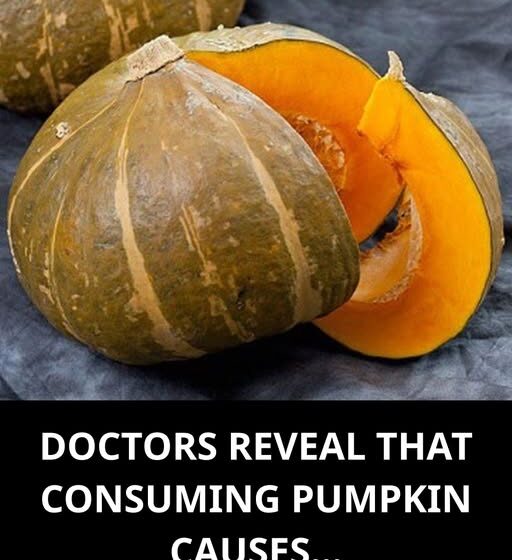
That headline is the kind of thing designed to grab attention, not to tell you the full story. There isn’t a group of doctors warning that pumpkin is dangerous—in fact, pumpkin is generally considered a very healthy food. What is true is that eating pumpkin can have several effects on your body, most of them positive, with a few caveats depending on how it’s prepared and how much you eat.
Let’s break down what really happens when you consume pumpkin.
What Happens When You Eat Pumpkin?
1. Your Body Gets a Boost of Vitamin A
Pumpkin is extremely rich in beta-carotene, which your body converts into vitamin A. This nutrient is essential for:
- Healthy vision
- Strong immune function
- Skin health
That bright orange color is basically a sign that you’re feeding your body something beneficial.
2. It Supports Your Digestive System
Pumpkin contains a good amount of fiber, which helps:
- Improve digestion
- Prevent constipation
- Support gut health
If your diet is low in fiber, adding pumpkin can make a noticeable difference.
3. It May Help Heart Health
Pumpkin provides potassium, fiber, and antioxidants—all linked to better heart health. These nutrients can:
- Help regulate blood pressure
- Reduce inflammation
- Support overall cardiovascular function
4. It Can Help with Weight Management
Pumpkin is low in calories but filling, thanks to its fiber and water content. That means:
- You feel full longer
- You may eat fewer calories overall
This makes it a great option if you’re trying to maintain or lose weight.
But Here’s the Catch…
Not All Pumpkin Dishes Are Healthy
Plain pumpkin is nutritious—but pumpkin recipes can be a different story.
Pumpkin pie, sweet pumpkin drinks, or heavily sugared pumpkin desserts can contain:
- High amounts of sugar
- Added fats
- Extra calories
So the health benefits depend a lot on how you prepare it.
Too Much Can Cause Minor Issues
Eating very large amounts of pumpkin (or beta-carotene-rich foods) can sometimes lead to:
- Slight yellow-orange tint to the skin (harmless condition called carotenemia)
- Digestive discomfort if fiber intake is suddenly too high
These are not dangerous, just something to be aware of.
The Bottom Line
Despite what dramatic headlines suggest, pumpkin is not something to fear—it’s actually a nutritious, versatile food that can support your health in multiple ways.
The real takeaway is simple:
- Eat pumpkin in balanced portions
- Watch added sugar and fats in recipes
- Enjoy it as part of a varied diet
Final Thought
“Doctors reveal…” headlines often exaggerate to get clicks. In reality, pumpkin is one of those foods that deserves its good reputation. Whether in soups, roasted dishes, or even desserts (in moderation), it’s a wholesome ingredient that can fit easily into a healthy lifestyle