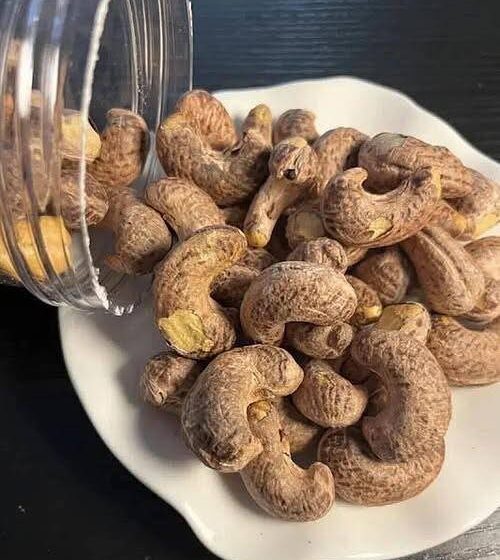
Cashews often get a bad reputation—too fatty, not a real nut, or supposedly unhealthy. But how much of that is actually true? Let’s clear up the confusion and take a closer look at the real facts behind this popular snack.
Myth 1: Cashews Are Unhealthy Because They’re High in Fat
The truth:
Yes, cashews contain fat—but mostly healthy unsaturated fats. These fats support heart health, help reduce bad cholesterol (LDL), and keep you feeling full longer. Like most nutrient-dense foods, moderation is key, not avoidance.
Myth 2: Cashews Cause Weight Gain
The truth:
Cashews are calorie-dense, but that doesn’t mean they automatically cause weight gain. In fact, their combination of protein, fat, and fiber can help control appetite and reduce overeating when eaten in reasonable portions.
Myth 3: Cashews Are Not “Real” Nuts
The truth:
Botanically speaking, cashews are seeds, not true nuts. But nutritionally, they behave just like nuts—packed with healthy fats, minerals, and plant-based protein. For everyday nutrition, they absolutely count as nuts.
Myth 4: Cashews Have No Nutritional Value
The truth:
Cashews are surprisingly nutrient-rich. They provide:
- Magnesium for muscle and nerve function
- Zinc for immune health
- Copper for energy production and brain health
- Iron for oxygen transport
They’re also a good source of antioxidants that help fight oxidative stress.
Myth 5: Cashews Are Bad for Blood Sugar
The truth:
Cashews have a low glycemic index, meaning they don’t cause sharp spikes in blood sugar. When eaten alone or paired with other whole foods, they can be a smart snack option—even for people watching their blood sugar levels.
The Real Facts About Cashews
- Best enjoyed raw or dry-roasted, without added sugar or excess salt
- A serving size is about 1 ounce (a small handful)
- Great in both sweet and savory dishes
- Suitable for plant-based and dairy-free diets
Bottom Line
Cashews are not the enemy. They’re a nutritious, satisfying food that fits well into a balanced diet. The myths surrounding them usually come from misunderstanding calories and fats—not from science. Enjoy them mindfully, and they can be both delicious and beneficial.